Content note: this article discusses domestic, family and sexual violence. If you need support, call 1800RESPECT on 1800 737 732. In an emergency, call 000.
Globally, 137 women and girls are killed every day by a partner or family member!
Today is a day to listen…
Every year on 25 November, people around the world mark the International Day for the Elimination of Violence against Women. It's a day to remember the women and girls whose lives have been harmed or taken by violence. It's also a day to ask what needs to change. It also starts the 16 Days of Activism, which ends on Human Rights Day, 10 December.
This year's UN theme is Ensure justice, protect survivors, end impunity. At its heart is a simple idea. Justice doesn't start in a courtroom. It starts the first time a woman is heard, believed and treated with dignity.
For many women, that first moment happens in a health setting. A GP's room. A gynaecology appointment. An antenatal check. That's why we believe violence against women is a women's health issue, and why we're talking about it here.
Why this date? The Mirabal sisters
The date honours three sisters from the Dominican Republic: Patria, Minerva and María Teresa Mirabal.
The sisters were political activists who opposed the brutal dictatorship of Rafael Trujillo. They were known by the code name Las Mariposas, "the butterflies". On 25 November 1960, they were murdered on the regime's orders.
Their deaths caused public outrage and became a turning point in the country's history. Over time, the Mirabal sisters became a global symbol of women's courage, and of the violence women face when they speak up. Their story is a reminder that violence against women is never just a private matter. It is a human rights issue.
What do we mean by "violence against women"?
In 1993, the UN adopted the Declaration on the Elimination of Violence against Women. It described this violence as any act of gender-based violence that causes, or is likely to cause, physical, sexual or psychological harm to women. That includes threats, coercion and taking away a woman's freedom, whether in public or at home.
In practice, violence against women takes many forms:
Physical violence: hitting, pushing, choking or strangulation
Sexual violence: any sexual activity without consent, including within a relationship
Emotional and psychological abuse: put-downs, threats, intimidation and isolating someone from friends and family
Coercive control: a pattern of behaviours that slowly takes away a person's freedom and sense of self
Financial abuse: controlling money, stopping someone from working or running up debt in their name
Technology-facilitated abuse: tracking phones, monitoring messages or sharing intimate images without consent
Reproductive coercion: interfering with someone's choices about contraception and pregnancy
Most of this violence is committed by someone the woman knows, very often a current or former partner.
This Year's Theme: Justice for Survivors
The UN theme for 2026 is "UNiTE to End Violence Against Women and Girls: Ensure justice, protect survivors, end impunity."
The message at its heart is that justice is about more than a court decision. It starts the first time a woman is heard, believed and treated with dignity. It is calling for:
justice systems that work for survivors, with trained police, lawyers and judges
funded, coordinated support services at every step
safety online as well as offline
long-term investment in prevention and in women's organisations
The theme also stresses that justice has to reach all women, including Indigenous women, women with disability and LGBTIQ+ people.
The Global Picture
Violence against women is one of the most widespread human rights abuses in the world.
Around 1 in 3 women worldwide experience physical or sexual violence in their lifetime.
In 2024, about 50,000 women and girls were killed by an intimate partner or family member.
That's an average of 137 women and girls every day, or roughly one every 10 minutes.
For women, 60% of intentional killings were by a partner or family member. For men, it was just 11%.
In other words, for many women and girls, home is the most dangerous place to be.
The Australian picture:
Australia is not exempt. The numbers are hard to read, but they matter:
1 in 4 Australian women have experienced violence from an intimate partner since the age of 15.
1 in 5 have experienced sexual violence.
62 Australian women have been killed by violence so far in 2026, according to Australian Femicide Watch.
Nearly 1 in 3 women killed by a partner in 2025 were Aboriginal or Torres Strait Islander.
Why this is a women's health issue?
At Women's Health Road, we talk about periods, pelvic pain, contraception, pregnancy and menopause. So why are we talking about violence?
Because violence is one of the biggest threats to women's health, in the short term and the long term. It affects the body, the mind and a woman's ability to make choices about her own care. And health settings, like a GP clinic, a gynaecology appointment or an antenatal check, are often where it first shows up. Sometimes they're the only places a woman goes without her partner.
It's not always bruises
When people picture abuse, they often picture visible injuries. In reality, violence and coercive control show up in the body and mind in many ways, including:
ongoing pelvic pain, painful sex or repeated vaginal and urinary infections
headaches, poor sleep, gut problems and unexplained pain
anxiety, depression, panic or feeling constantly on edge
missed appointments, or a partner who always comes along and answers for her
trouble using contraception or getting medication
Reproductive coercion: the hidden form of control
Reproductive coercion is when someone interferes with your choices about your body and pregnancy. It can look like:
hiding, damaging or throwing out contraception
refusing to use condoms, or removing one without consent
pressuring you to become pregnant, or to continue or end a pregnancy
controlling your access to a doctor, a pharmacy or the money to pay for them
Australian research suggests about 1 in 20 adults have experienced reproductive coercion. It often happens alongside other forms of partner abuse.
Pregnancy and violence
Pregnancy should be a time of care and support. But for some women, it's when violence starts or gets worse.
In Australia, around 1 in 7 women who have experienced violence from a current partner, and were pregnant during that relationship, say the violence happened while they were pregnant. The numbers are even higher for past relationships. Of women who experienced violence from a previous partner and were pregnant during that relationship, more than 2 in 5 (42%) experienced violence while pregnant. About 1 in 6 (17%) experienced it for the first time during the pregnancy.
Why are pregnant women at greater risk?
Abuse that already exists often gets worse. If a relationship is already violent, the violence tends to become more severe during pregnancy.
Jealousy and control can increase. Women describe partners becoming more possessive, jealous and accusing during pregnancy. A partner may resent the attention the baby receives, or feel the pregnancy threatens his control.
Women can be more dependent and less able to leave. Pregnancy can mean less money, less energy and more need for practical support, which an abusive partner can use against her.
Younger women face higher risk. Women aged 18–24 are more likely to experience violence during pregnancy.
Violence in pregnancy is dangerous for both mother and baby. It's linked to miscarriage, delayed antenatal care, premature birth, low birth weight, injuries to the abdomen, depression, anxiety and PTSD, and difficulties with bonding and breastfeeding. That's why midwives and doctors ask about safety at antenatal appointments, and why they'll try to see you on your own.
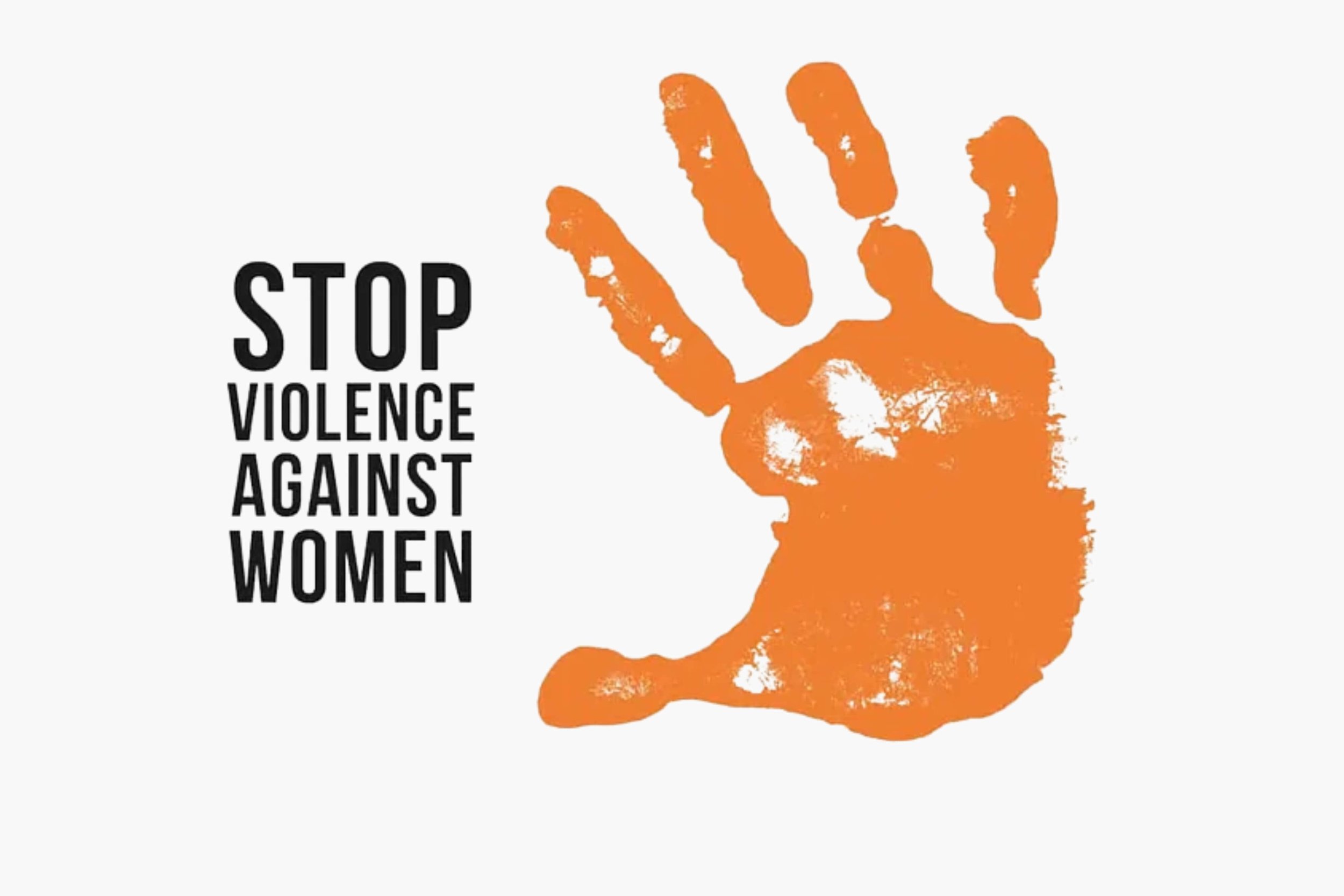
How can you take part this 16 Days?
Wear orange on 25 November and share why.
Learn the signs of domestic violence, coercive control and reproductive coercion.
Share this post and the support numbers below.
Support or donate to a local women's service.
Call out disrespect when you see it, online and offline.
Where to get help
Emergency: 000
1800RESPECT: 1800 737 732, text 0458 737 732, or chat online at 1800respect.org.au (24/7)
NSW Domestic Violence Line: Call 1800 65 64 63 (24/7).
13YARN (Aboriginal and Torres Strait Islander crisis support): 13 92 76 (24/7)
Men's Referral Service (for anyone worried about their own behaviour): 1300 766 491
QLife (LGBTIQ+ support): 1800 184 527
Kids Helpline: 1800 55 1800
Daisy app: find local services from 1800RESPECT
If you're worried someone may check your device, use private browsing and clear your history after reading.
This article is general information, not medical advice.
References:
Australian Femicide Watch. (2026). 2026 toll of violence. Retrieved 25 November 2026, from https://australianfemicidewatch.org/
Australian Government. (2026). Status of Women Report Card 2026. https://genderequality.gov.au/sites/default/files/2026-03/status-women-report-card-2026.pdf
Australian Institute of Health and Welfare. (n.d.). Pregnant people: family, domestic and sexual violence. Retrieved 25 November 2026, from https://www.aihw.gov.au/family-domestic-and-sexual-violence/population-groups/pregnant-people
Campo, M. (2015). Domestic and family violence in pregnancy and early parenthood: Overview and emerging interventions. Australian Institute of Family Studies. https://aifs.gov.au/cfca/publications/domestic-and-family-violence-pregnancy-and-early-parenthood
Roberts, J. (2026, 4 February). Responding to reproductive coercion in general practice. newsGP, Royal Australian College of General Practitioners. https://www1.racgp.org.au/newsgp/professional/responding-to-reproductive-coercion-in-general-pra
UN Women. (n.d.). UNiTE to End Violence against Women. Retrieved 25 November 2026, from https://www.unwomen.org/en/what-we-do/ending-violence-against-women/unite
UN Women Asia and the Pacific. (2026). 16 Days of Activism 2026: Ensure justice, protect survivors, end impunity. https://asiapacific.unwomen.org/en/stories/announcement/2026/08/16-days-of-activism-2026
UN Women & United Nations Office on Drugs and Crime. (2025, 25 November). Every day, 137 women and girls are killed by intimate partners or family members [Press release]. https://www.unwomen.org/en/news-stories/press-release/2025/11/every-day-137-women-and-girls-are-killed-by-intimate-partners-or-family-members
United Nations General Assembly. (1993). Declaration on the Elimination of Violence against Women (A/RES/48/104). https://undocs.org/en/A/RES/48/104
United Nations General Assembly. (1999). International Day for the Elimination of Violence against Women (A/RES/54/134). https://digitallibrary.un.org/record/404761
United Nations General Assembly. (2024). Twenty-fifth anniversary of the International Day for the Elimination of Violence against Women (A/78/L.69, draft resolution). https://digitallibrary.un.org/record/4047889/files/A_78_L.69-EN.pdf