“Massive Gaps” Womens Health and Wellbeing Summit
On the 1st of September, our director, A/Prof Talat Uppal, joined a panel of leading clinicians (Dr Clara Chow & Dr Rowena Mobbs) at the Women's Health and Wellbeing Summit in Sydney where they discussed “The Gaps”: the areas of women's health that continue to be under-researched, under-funded and too often overlooked. The discussion was covered by Australian Associated Press (AAP) and published in The Daily Advertiser.
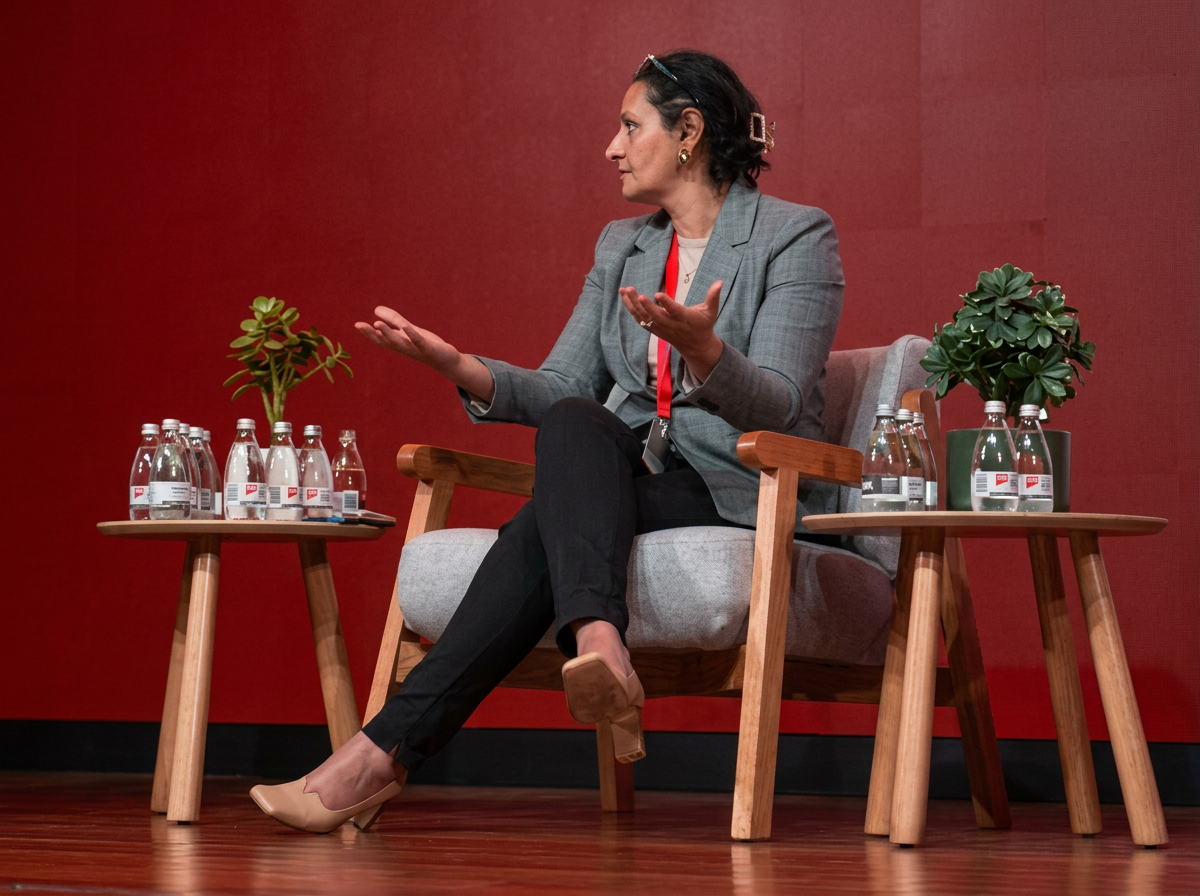
Heavy Menstrual Bleeding "hasn't made it to any of the high-end policies or strategic funding, so I think that is a massive gap."
A/Prof Talat Uppal said at the panel
Key Takeaways
Heavy menstrual bleeding affects 1 in 4 women, yet remains overlooked
Dr Talat highlighted that around a quarter of women will experience heavy menstrual bleeding at some point in their lives, yet the condition has not been prioritised in high-level health policy or strategic funding.
Effective treatment already exists
As Dr Talat pointed out, the frustrating part is that there are many tools and treatment options available for women with heavy bleeding. Including Bleed Betters one stop medical model including pelvic ultrasound, IV iron replacement, IUD insertion and operative hysteroscopy. The gap isn't a lack of solutions; it's a lack of awareness, access and investment.
Women's health gaps are significant across the board
Summit speakers noted that women are twice as likely as men to develop dementia or Alzheimer's, 20 Australian women die from a heart attack every day, and although women do live longer than men, they spend about 25% of their lives in poor health.
Too many women feel unheard
Two in three Australian women report having been dismissed or disbelieved by a health professional, a reminder of why listening to women's lived experience matters.
Bias in how symptoms are assessed
Cardiologist Prof Clara Chow noted that only 15% of cardiologists are women which means lived experience is often missing from the profession. This imbalance can lead to both conscious and unconscious bias when assessing a womens symptoms. Women may describe their pain differently from men, using different words or emphasising different sensations, but that doesn't mean their pain is any less real or any less serious.
Simplifying health advice is part of the solution
GP Dr Amandeep Hansra warned that women, especially younger women, are being overwhelmed by influencer-driven wellness routines with little evidence behind them, and that part of a doctor's role now is cutting through that noise, and providing clear, simple, evidence-based advice.